Luchtmacht (Belgian Air Force)
Posted: Mon Mar 23, 2026 7:14 pm
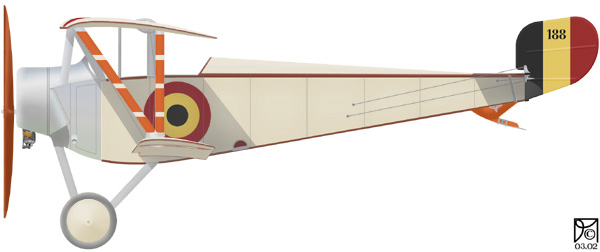
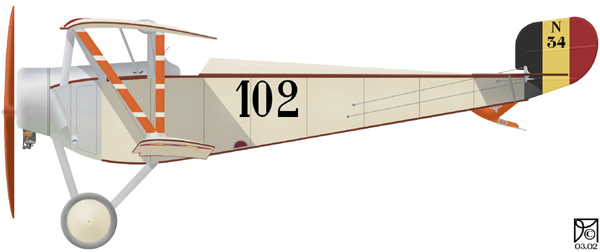
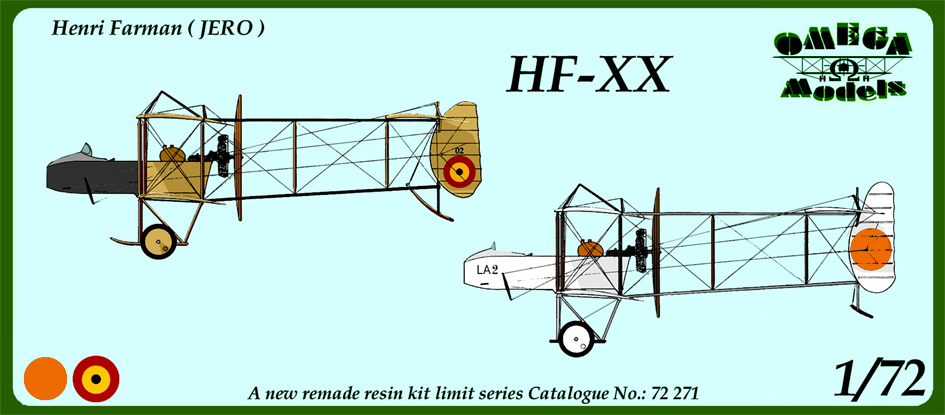
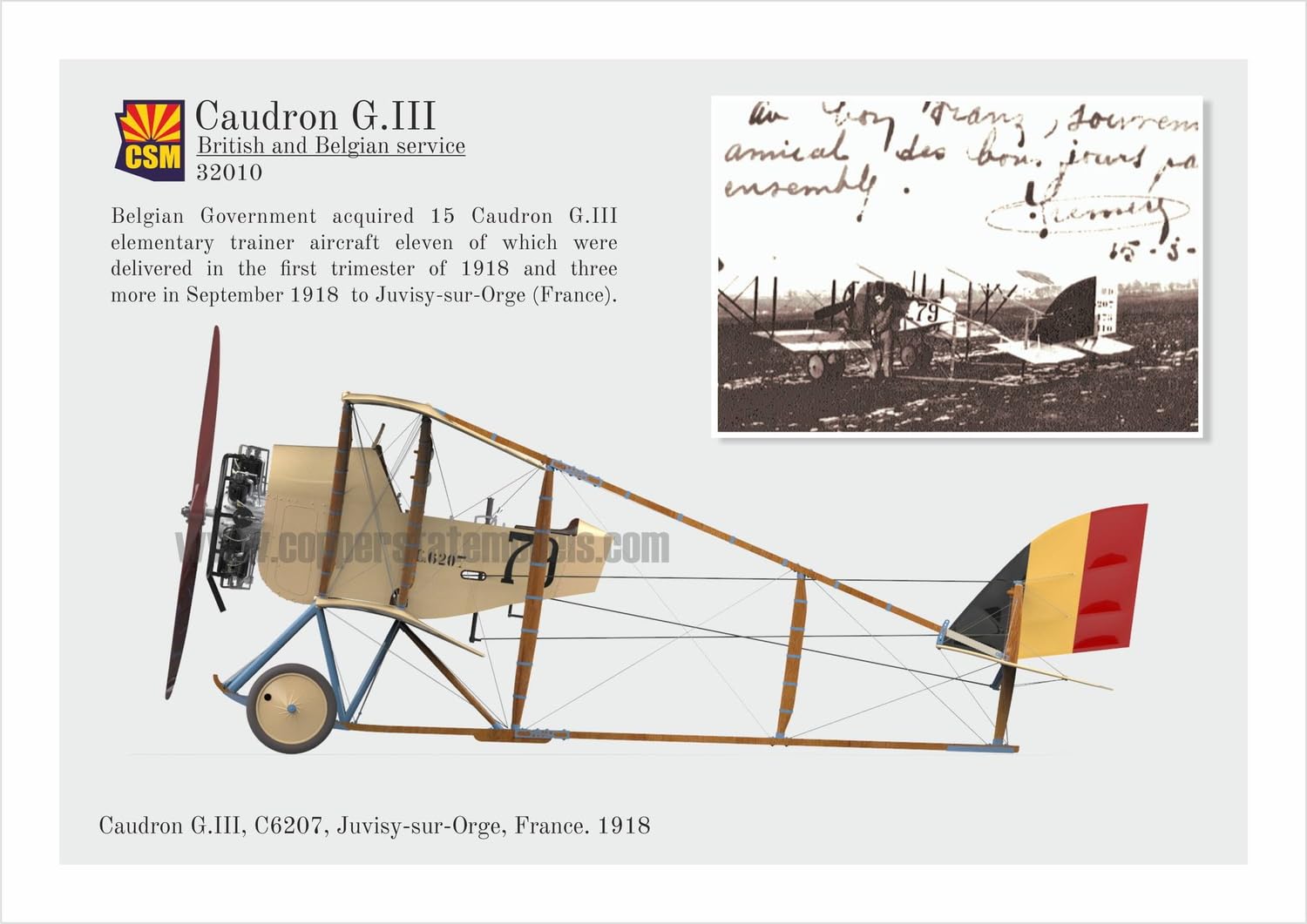
Belgian military aviation officially began in 1913 with the creation of the Compagnie des Aviateurs, a small unit within the Belgian Army. At the outbreak of World War I in August 1914, Belgium had only a handful of trained pilots and a very limited number of aircraft, making it one of the smallest air services in Europe.
Despite its size, Belgian aviation played an important role from the very beginning of the war. During the German invasion in 1914, Belgian pilots carried out dangerous reconnaissance missions, flying over advancing German troops to report their positions back to headquarters. These early missions were critical, as they provided some of the first aerial intelligence used in modern warfare. At this stage, most aircraft were unarmed, and pilots often had to rely on pistols, rifles, or improvised methods.
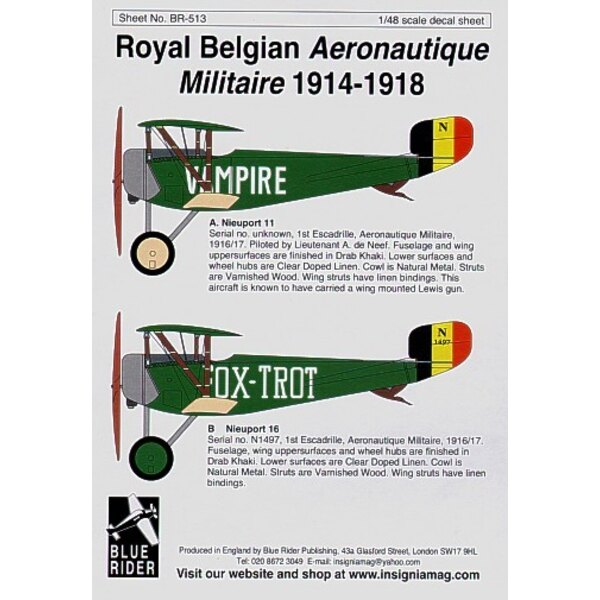
After most of Belgium was occupied, the Belgian Army retreated to a small unoccupied area near the Yser River. From this narrow front, Belgian aviation continued operating throughout the war. Between 1915 and 1916, the air service underwent major reorganization. New squadrons were formed, pilot training improved, and Belgium began to receive more advanced aircraft, mainly from France.
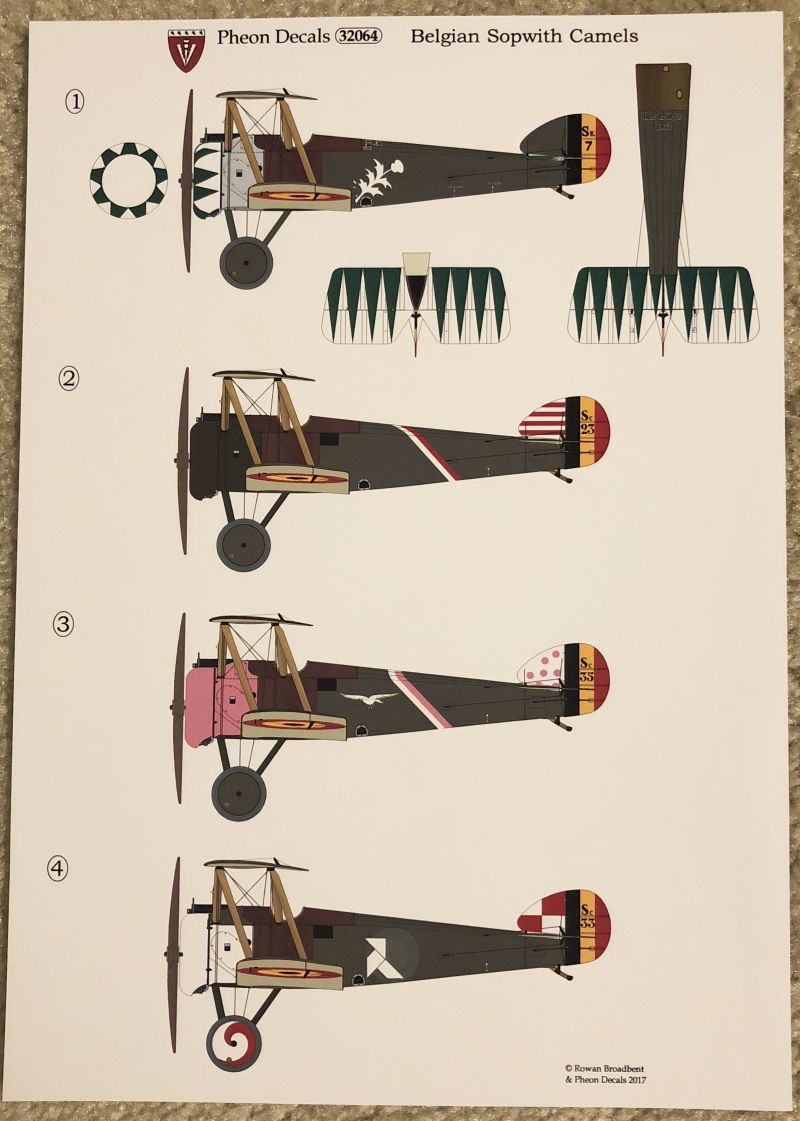
During this period, Belgian aviation transitioned from purely reconnaissance roles to active air combat. Fighter units were created, and Belgian pilots began engaging German aircraft more frequently. The air service also improved coordination with artillery units, playing a key role in directing fire on enemy positions.
By 1917, Belgian aviation had become more professional and structured. Specialized squadrons for fighters, reconnaissance, and bombing were established. One of the most important developments was the widespread adoption of the Hanriot HD.1, which became the standard Belgian fighter aircraft. Although not widely used by France, Belgium relied heavily on it, and it proved to be reliable, maneuverable, and well-suited to Belgian needs.
In 1918, during the final Allied offensives, Belgian aviation played an active role in offensive operations. Aircraft were used for close air support, reconnaissance ahead of advancing troops, and bombing missions against German positions. By the end of the war, Belgian aviation had evolved into a capable and experienced force despite its difficult circumstances.

Important Belgian Pilots
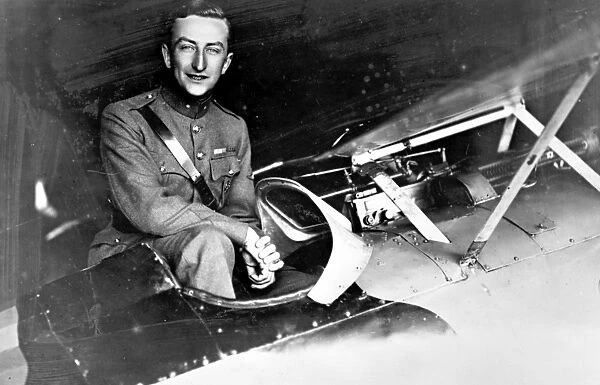
Willy Coppens
The top Belgian ace, known for destroying enemy observation balloons. He achieved most of his victories flying the Hanriot HD.1
Jan Olieslagers
A pre-war aviation pioneer who served throughout the conflict and helped establish Belgian aerial operations early in the war.

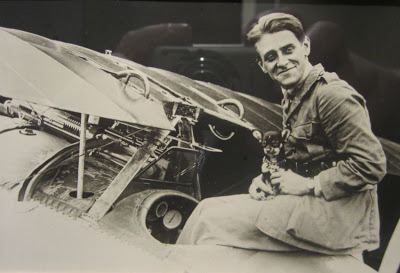
André de Meulemeester
One of Belgium’s leading fighter pilots, with multiple aerial victories and leadership roles in Belgian squadrons.
Despite its size, Belgian aviation played an important role from the very beginning of the war. During the German invasion in 1914, Belgian pilots carried out dangerous reconnaissance missions, flying over advancing German troops to report their positions back to headquarters. These early missions were critical, as they provided some of the first aerial intelligence used in modern warfare. At this stage, most aircraft were unarmed, and pilots often had to rely on pistols, rifles, or improvised methods.
After most of Belgium was occupied, the Belgian Army retreated to a small unoccupied area near the Yser River. From this narrow front, Belgian aviation continued operating throughout the war. Between 1915 and 1916, the air service underwent major reorganization. New squadrons were formed, pilot training improved, and Belgium began to receive more advanced aircraft, mainly from France.
During this period, Belgian aviation transitioned from purely reconnaissance roles to active air combat. Fighter units were created, and Belgian pilots began engaging German aircraft more frequently. The air service also improved coordination with artillery units, playing a key role in directing fire on enemy positions.
By 1917, Belgian aviation had become more professional and structured. Specialized squadrons for fighters, reconnaissance, and bombing were established. One of the most important developments was the widespread adoption of the Hanriot HD.1, which became the standard Belgian fighter aircraft. Although not widely used by France, Belgium relied heavily on it, and it proved to be reliable, maneuverable, and well-suited to Belgian needs.
In 1918, during the final Allied offensives, Belgian aviation played an active role in offensive operations. Aircraft were used for close air support, reconnaissance ahead of advancing troops, and bombing missions against German positions. By the end of the war, Belgian aviation had evolved into a capable and experienced force despite its difficult circumstances.
Important Belgian Pilots
Willy Coppens
The top Belgian ace, known for destroying enemy observation balloons. He achieved most of his victories flying the Hanriot HD.1
Jan Olieslagers
A pre-war aviation pioneer who served throughout the conflict and helped establish Belgian aerial operations early in the war.
André de Meulemeester
One of Belgium’s leading fighter pilots, with multiple aerial victories and leadership roles in Belgian squadrons.